2023年9月29日 星期五

How the ‘Vagina Whisperer’ Built Her Brand

Plus more health news |

Email not displaying correctly? View it in your browser.
  
You have pelvic-floor questions. The Vagina Whisperer has answers.
By Eliana Dockterman
Correspondent

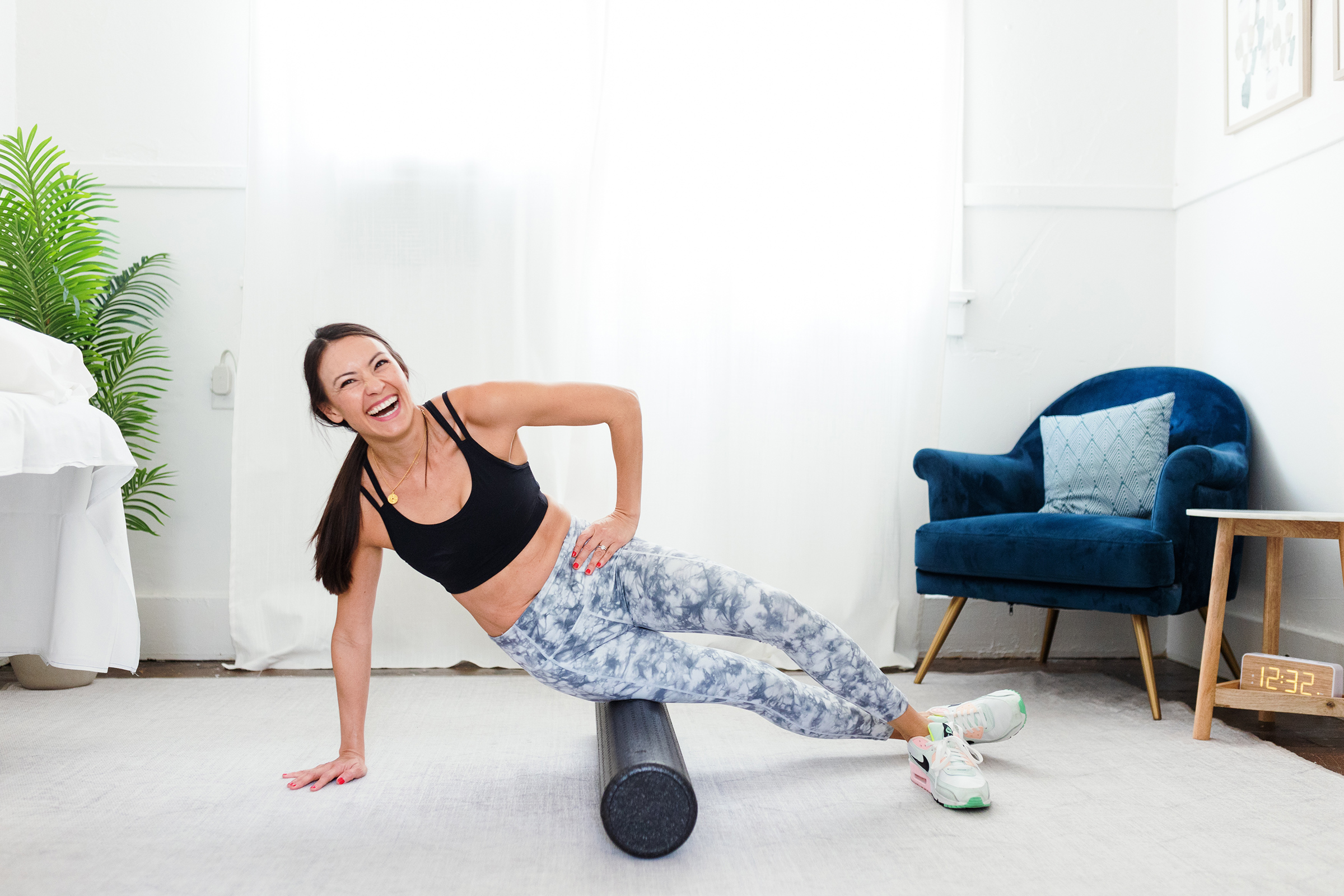
Sara Reardon’s friends have called her “the vagina whisperer” for years. When they started getting pregnant and having babies, they would email the pelvic-floor physical therapist with questions about perineal massage, the fact that they peed in their pants every time they laughed, and the fear of painful sex for the rest of their post-baby lives. “I thought, ‘I’m writing this email over and over again, let me just put it on Instagram,’” says Reardon.

Now half a million people know Reardon as The Vagina Whisperer on Instagram where she posts funny, accessible videos to demystify the pelvic floor, the basket of muscles that affects essential functions like peeing, pooping, menstruation, and sexual health. Many women first learn about their pelvic floor during pregnancy, though pelvic-floor issues can affect any woman. 

Pelvic-floor therapy can help prepare women for birth or recover from problems afterward like diastasis recti (when the ab muscles separate) or pelvic organ prolapse (when internal organs collapse into the vagina). But women are often too embarrassed to talk about these issues or simply accept them as a normal sacrifice of becoming a mother and go undiagnosed. 

Here’s what you need to know about pelvic-floor issues that are so often ignored:

  • About one in four American women has a pelvic-floor disorder, according to the National Institutes of Health
  • Some 40% of women who give birth do not attend a postpartum visit with their doctor, which contributes to missed diagnoses of pelvic-floor problems
  • In France, pelvic floor therapy is covered for every new mother
  • The U.S. Congress has introduced a bipartisan bill that could help more women access pelvic-floor care after birth through Medicaid

READ MORE

Share This Story
What Else to Read
6 Ways to Tap Into Nostalgia—and Why You Should
By Angela Haupt
How to tap into nostalgia to feel more connected to other people, find meaning in life, and build self-esteem.
Read More »
Jimmy Carter’s Secret to Living to 99, According to His Grandson
By Olivia B. Waxman
As Jimmy Carter turns 99 on Oct. 1, his grandson shares what he believes is the secret to his grandfather's long life.
Read More »
Why Don’t More Women Propose?
By Belinda Luscombe
Plenty of things about the process of getting married have remained stubbornly unchanged.
Read More »
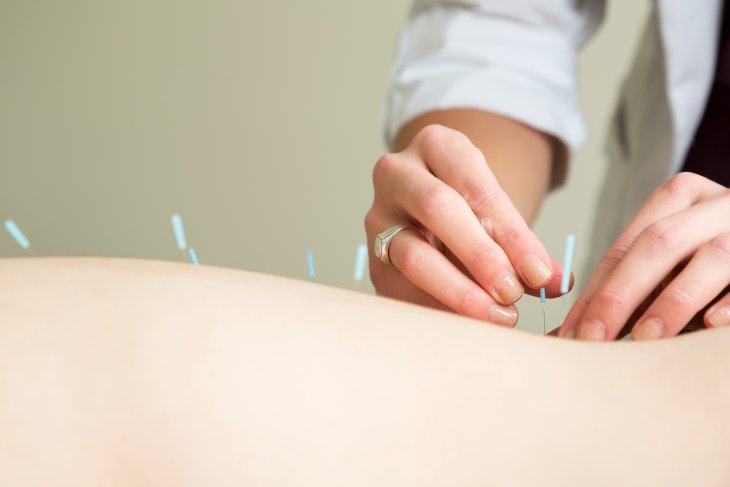
Why Acupuncture Is Going Mainstream in Medicine
By Elizabeth Millard
Here's what research says about the complementary therapy.
Read More »
Why We Remember Music and Forget Everything Else
By Nayantara Dutta
Psychologists say it's no surprise that we can easily recall lyrics and melodies for years and years.
Read More »
ONE LAST READ
A squabble over the nature of consciousness

How do we understand awareness? What is the biological process that creates consciousness? These high-minded questions are the source of intense academic interest and a concept called "integrated information theory" proposes to answer them. But as Ross Andersen examines in the Atlantic, the theory has its detractors, and when one went public with his critiques, an ugly fight among scientists broke out.

Read More »

If you were forwarded this and want to sign up to receive it daily, click here.

Today's newsletter was written by Eliana Dockterman and Oliver Staley, and edited by Oliver.


2023年9月28日 星期四

Decriminalizing drugs doesn't increase overdoses

Plus more health news |

Email not displaying correctly? View it in your browser.
  
Decriminalizing drug possession doesn't lead to more fatal overdoses
By Haley Weiss
Health Reporter

Depending on who you ask, Oregon and Washington have been either reckless or trailblazing. In 2021, both states decriminalized possession of all drugs, a highly experimental move amid a growing opioid crisis in the Pacific Northwest.

Measuring the success of these bills isn’t so straightforward, because there’s no one clear metric that captures the dangers of drugs. Residents of both states, particularly in major cities like Seattle and Portland, have noticed dramatic increases in visible drug activity since the bills took effect, the challenges of which have been well documented in local and national outlets. Washington’s decriminalization measure has since been rolled back.

A pair of new studies, however, suggest that by other metrics, these measures may not have been responsible for harm in their first year. According to an analysis by a team at NYU, neither bill caused any change in the already-increasing numbers of fatal overdoses in each state, and, promisingly, the decrease in arrests for drug possession led to no increase in arrests for violent crimes. Perhaps, advocates suggest, Oregon’s experiment just needs more time to breathe.

READ MORE

Share This Story
What Else to Read
For Hospitals, 'Nonprofit' Doesn’t Mean 'Charitable'
By Colleen M. Grogan / Made by History
Medical debt has always been part of their history.
Read More »
Why Don’t More Women Propose?
By Belinda Luscombe
Plenty of things about the process of getting married have remained stubbornly unchanged.
Read More »
Why Is Everyone Working on Their Inner Child?
By Angela Haupt
The theory goes that we all have an inner child: a metaphorical part of ourselves frozen in childhood. Sometimes, it needs healing.
Read More »
Magnesium Supplements Are a Buzzy New Sleep and Anxiety Aid. Do They Work?
By Haley Weiss
But do they work?
Read More »
How Podcaster Andrew Huberman Got America to Care About Science
By Jamie Ducharme
His long-form science podcast consistently sits near the top of the charts.
Read More »
AN EXPERT VOICE

"COVID may not be as serious as it was in 2020. But people being aware that they can help stop the spread of infectious disease is still useful and important."

—Alyssa Bilinski, assistant professor of health policy at the Brown University School of Public Health

If you were forwarded this and want to sign up to receive it daily, click here.

Today's newsletter was written by Haley Weiss and Jamie Ducharme, and edited by Angela Haupt.